Hatch Dragons
- 4.6
- Rating
- 1.00M
- Installs
- Free
- Price

 Analysis by App-foxy
I approached Hatch Dragons expecting a light dragon-collecting game, but its appeal is more personal than that simple description suggests. This is a simulation game from Runaway Play built around raising, caring for, and collecting dragons, and I found that its strongest quality is the sense of routine it creates. Rather than pushing me through a single dramatic adventure, it gives me a small responsibility to return to: check on the dragons, make progress, and decide what deserves attention next.
That makes it an easy game to recommend to someone who enjoys gentle collection systems and likes watching a group of creatures grow over time. It is free to play, suitable for Everyone, and available for devices running Android 7.1 or later. The important qualification is that its relaxed pace will not suit players looking for constant action, deep combat, or a tightly directed story. My overall view is positive, but I would choose it for its caring-and-collecting loop rather than for challenge.
Why the dragon-care loop works
The central pleasure comes from turning a collection into something that feels lived in. Collecting a dragon is only the beginning; the more satisfying part is returning to see what has changed and deciding how to manage the next step. That structure gives the game a useful rhythm for short sessions. I can open it when I have a few spare minutes, make meaningful progress, and leave without feeling that I have abandoned a complicated quest.
You May Also Like

 Blood Strike: 2.5 Anniversary
Blood Strike’s Loadouts Turn Every Drop Into a Tactical Gamble
A close look at Blood Strike’s custom loadouts: how fast access to signature weapons reshapes its battle royale rhythm, rewards preparation, and narrows the gap between fights.

 Pandora - Music & Podcasts
Pandora’s Music Is Easy to Start, but Harder to Recover
Pandora’s strength is its low-effort path from a seed to a station. Its weak spot is how much confidence it asks you to place in connection, setup, and quiet recovery.

 8 Ball Pool
 Is Built on Rivalries, Rematches, and Routine
A close look at the rivalries, rematches, shared routines, and unanswered safety questions that turn a quick pool match into a persistent mobile community.

 Samsung Music
’s Quiet Strength Is Playing What You Already Own
Its reach comes less from spectacle than from dependable access to a personal library. That simplicity is both the app’s strongest retention engine and its ceiling.

 AccuWeather: Weather Radar
AccuWeather Review: A Quick, Clear Forecast for Everyday Decisions
For everyday plans, the best forecast is the one you can understand quickly. AccuWeather makes rain timing, radar, and local conditions easy to act on, with a few trade-offs.

 Hill Climb Racing
Why Hill Climb Racing Still Turns Crashes Into One More Run
A tiny car, a bumpy hill and one more upgrade: Hill Climb Racing keeps resurfacing because its simple chaos makes every near-miss feel personal.
More From Our News Desk
View All News


What separates this from a basic catalogue of creatures is the combination of discovery and responsibility. A new dragon is exciting because it expands the collection, but the creature also gives me another reason to revisit the game. I pay more attention to the differences between dragons instead of treating each one as a disposable reward. That is a small design choice, yet it is exactly what makes a simulation feel warmer than a straightforward unlock screen.
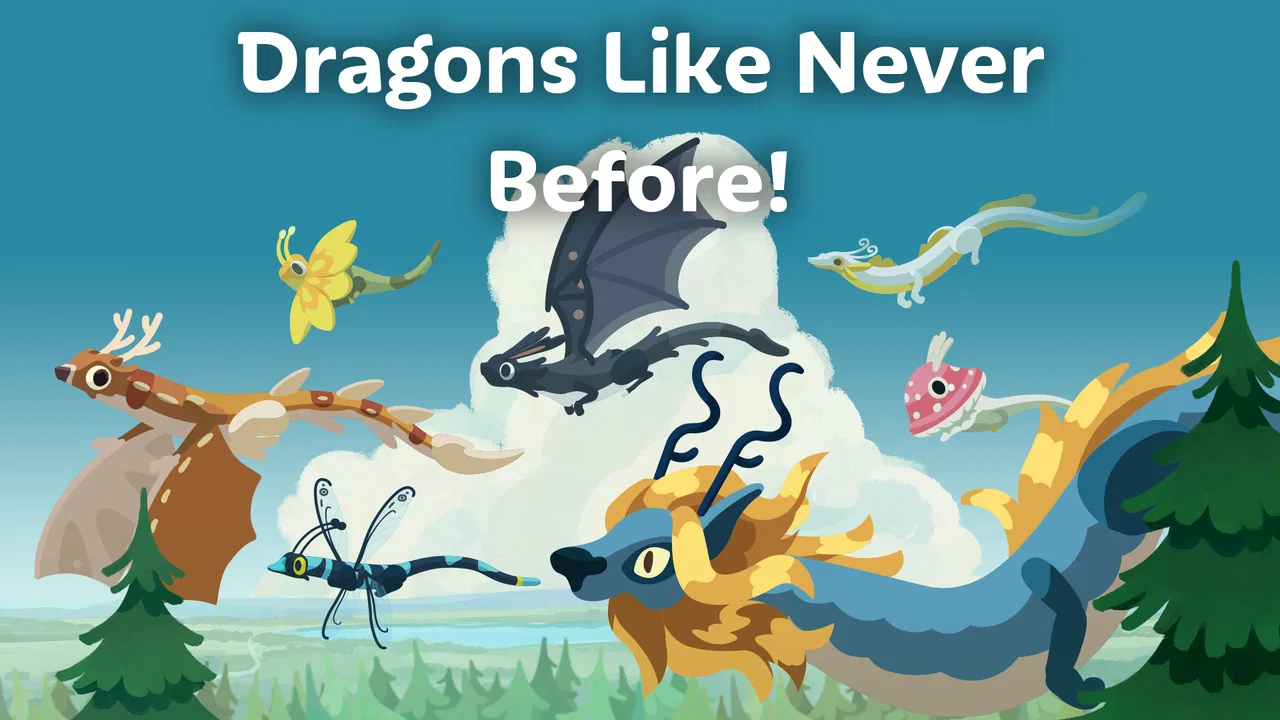
The game’s store summary promises hundreds of unique dragons, and that scale gives the collecting goal plenty of room to develop. I would not recommend trying to chase everything immediately. A better approach is to treat the collection as a long-term project, notice which dragons you enjoy caring for, and let the less interesting gaps remain unfinished for a while. Completion is satisfying, but forcing it can turn a calm game into a checklist.
I also liked the way the collection can become a personal record of my play. Instead of measuring success only by speed, I can look at which dragons I have found and how my group has developed. That makes the game a good fit for players who enjoy gradual goals, visual variety, and the quiet satisfaction of filling out a collection without needing every session to deliver a major event.
A practical game for short, repeat visits
A realistic use case is a short break during a commute, between errands, or at the end of the day. I can check in, focus on the most urgent care task, and stop before the session becomes a commitment. The game’s simulation format supports that habit better than a traditional level-based game, where leaving halfway through a stage may feel inconvenient.
My most useful habit was to avoid opening the game without a purpose. I would first decide whether I wanted to care for an existing dragon, work toward another hatch, or simply inspect the collection. That small choice prevented the session from becoming aimless. In a collection game, it is easy to tap through menus because the next reward is visible; setting one modest goal makes the experience feel more deliberate.
Another practical tip is to give new dragons time before deciding which ones matter most. The first impression of a creature may come from its appearance, but the real value of a collection game is how the individual entries fit into the broader routine. I found it more enjoyable to keep a few favourites in regular rotation while allowing the rest of the collection to grow at a slower pace.
This is also where the simulation label matters. A simulation game usually asks for attention over time rather than a single burst of skill, and that is exactly the trade-off here. I get continuity and a softer pace, but I give up the immediate excitement I would expect from an arcade game or a combat-focused dragon title. Players should choose it with that exchange in mind.
Where the collection becomes more interesting
The most rewarding way to play is to separate collecting from completion. If I treat every dragon as a number that must be obtained, the game risks feeling repetitive. If I instead use the collection to create a manageable group of favourites, the care loop has more meaning. I can focus on the dragons I actually enjoy seeing and use new discoveries as pleasant surprises rather than obligations.
That approach also helps with the game’s likely long-term pacing. A collection of hundreds of unique dragons is naturally a broad objective, not something I would expect to finish quickly. The better question is whether the day-to-day care remains pleasant while the collection grows. In my experience, the answer is yes when I keep the goal flexible and no when I turn every session into a race toward the next missing entry.
I would describe the strongest evidence for the game’s appeal as its ability to make small actions feel connected. Hatching leads to a new dragon, the new dragon expands the collection, and the larger collection gives future visits more purpose. None of those steps needs to be dramatic on its own. Together, they create a gentle loop that works particularly well for players who like incremental progress.
The public response is also encouraging: the game holds a 4.9 average from around 8.9 thousand ratings, with more than 900 written reviews and over 100 thousand installs. Those figures suggest that the basic idea is connecting with a sizeable early audience. I would still treat popularity as context rather than proof, because the right question is whether the pace and care-focused design match your own preferences.
The friction I would want new players to understand
The clearest limitation is that the game can feel too gentle. If I want demanding decisions, fast reactions, strategic battles, or a strong narrative push, I am likely to lose interest. The dragon theme may attract players who expect a more adventurous experience, but this is primarily about collecting and care. Its calm presentation is a strength for one audience and a weakness for another.
There is also a potential tension between a very large collection and the attention each dragon can receive. The promise of hundreds of unique dragons is exciting, but a collection of that size can make individual discoveries feel less special if I move too quickly. I found that the game works best when I pause to appreciate a new addition instead of immediately treating it as a step toward the next one.
The free-to-play structure deserves a careful look as well. The game costs nothing to start, but optional in-app purchases range from $0.99 to $99.99 per item. That is a wide range, so I would recommend deciding on a personal spending limit before becoming invested in completing the collection. The game is more comfortable for me when purchases remain optional conveniences rather than part of my definition of progress.
That spending issue is not a reason to dismiss the game, but it changes how I would recommend it. A player who enjoys free collecting at a relaxed pace may be perfectly happy. Someone who feels compelled to obtain every dragon, or who dislikes seeing high-priced purchase options in a free game, should approach it more cautiously. The best experience comes from accepting that the collection is a long-term hobby rather than a target to buy your way through.
I would also skip it if I wanted a game with a clear finish line. The collection provides direction, but it does not create the same kind of closure as completing a campaign or defeating a final opponent. That open-ended design is useful for daily play, yet it can feel vague if I need a strong sense of completion after every session.
How it compares with other simulation choices
Compared with a farming simulation, Hatch Dragons places the emotional focus on creatures and discovery rather than on building a productive landscape. I am not choosing this because I want crops, construction, or a large economy to manage. Its appeal is narrower and more focused: I want the collection itself and the routine of caring for dragons.
Compared with a pet-care game, it offers a broader collecting objective. A single virtual pet can create a stronger bond with one creature, while this game encourages me to think about a whole group. That makes it better for someone who enjoys variety, but potentially less satisfying for a player who wants one companion to remain the clear centre of the experience.
Compared with an action game featuring dragons, it trades danger and skill for patience. There is no reason to choose this over a combat title if your main goal is testing reflexes or building battle strategies. I would choose it when I want the dragon theme without the pressure of constant encounters. The distinction is important because the artwork and subject may appeal to both audiences, while the actual play experience serves only one of them especially well.
It also differs from a conventional collector game that treats creatures as cards or inventory entries. Here, the simulation framing makes the collection feel more like a place to return to than a list to inspect. That does not automatically make every dragon memorable, but it gives the act of collecting a more comfortable everyday context.
Who will get the most from it
I think this game is best for players who enjoy calm progression, creature collecting, and routines that reward regular visits. It is especially suitable for someone who wants a friendly game that can fit around a busy day instead of demanding a long uninterrupted session. The Everyone age rating also makes it an approachable choice for a broad audience, provided the player is comfortable with optional purchases in a free-to-play game.
It could be a good shared interest between friends or family members who like comparing discoveries, even though my enjoyment does not depend on competition. The collection gives people something to talk about: which dragons they have found, which ones they prefer, and whether they are focusing on breadth or favourites. That kind of conversation is more natural here than discussing high scores or difficult boss strategies.
I would be less likely to recommend it to a player who needs constant novelty. The early collecting excitement may be strong, but long-term enjoyment depends on appreciating repetition with gradual variation. If you find routine care tasks boring in other simulation games, the dragon theme alone may not be enough to keep you engaged.
I would also steer completion-focused players toward a different kind of game unless they are comfortable progressing slowly. The large collection is appealing, but it can create pressure if every missing dragon feels like a personal failure. My advice is to play for the pleasure of maintaining a favourite group and let completion happen naturally, if it happens at all.
Version, access, and the everyday decision to install
The current version is 0.4.16, so I see this as a game with room to develop rather than a finished, unchanging package. That makes it worth checking whether the current experience suits you instead of assuming that future additions will solve every weakness. I prefer judging the routine that is available now: if caring for dragons already sounds appealing, the game has a clear reason to try it.
Installation is free, and the minimum operating-system requirement is Android 7.1. That keeps the technical entry point fairly accessible for compatible Android devices. The more important practical question is not the download cost but whether you are comfortable with a game designed around returning repeatedly and potentially spending on optional items.
My recommended starting method is simple. Install it without setting a completion target, spend the first sessions learning which parts of the care routine you enjoy, and decide early whether the collection feels rewarding or merely busy. If the dragons make you curious about the next discovery, keep going. If you are only tapping because the game asks you to, it is probably not the right simulation for you.
My verdict after settling into the routine
Hatch Dragons succeeds because it understands that a collection can be enjoyable even when progress is quiet. I liked the way hatching and care turn a group of dragons into an ongoing project rather than a one-time reward. The game is approachable, flexible enough for short visits, and specific enough to attract anyone who has wanted a dedicated dragon-raising simulation.
Its weaknesses are equally clear. The pace is not demanding, the open-ended collection may lack closure, and the broad in-app purchase range means players should manage expectations and spending carefully. Those are meaningful limitations, not minor footnotes. They do not undermine the game’s core idea, but they make the audience narrower than the dragon theme might initially suggest.
My final recommendation is to try it if you want a relaxed creature-collection game that can become part of your daily routine. I would recommend skipping it if you are looking for combat, a substantial story, or a fast route to completion. For the right player, the best feature is not simply finding another dragon; it is having a collection that feels worth checking on tomorrow.
FAQs for Hatch Dragons
01What is Hatch Dragons about?
Hatch Dragons is a captivating game where players can breed, hatch, and nurture a variety of dragon species. The game involves creating unique dragon habitats, participating in challenges, and exploring a magical world filled with quests and adventures. It's perfect for players who enjoy strategic planning and fantasy themes.
02Is Hatch Dragons free to play?
Yes, Hatch Dragons is free to download and play. However, it does offer in-app purchases that can enhance gameplay. These purchases might include special dragon eggs, habitat upgrades, or exclusive items. Players can enjoy the game fully without spending money, but these options are available for those who want to enhance their experience.
03What are the system requirements for Hatch Dragons?
Hatch Dragons requires iOS 11.0 or later for Apple devices and Android 5.0 and up for Android devices. Ensure your device has adequate storage space and a stable internet connection to enjoy seamless gameplay. It's always a good idea to have the latest software updates on your device for optimal performance.
04Does Hatch Dragons offer multiplayer features?
Yes, Hatch Dragons includes multiplayer elements where you can connect with friends or other players worldwide. You can visit their habitats, trade resources, and compete in global events. This social aspect enhances the gaming experience, allowing for strategic alliances and friendly competition.
05Are there any parental controls available in Hatch Dragons?
Hatch Dragons comes with parental controls to manage in-app purchases and screen time. Parents can set restrictions through device settings to ensure a safe and controlled environment for younger players. The game’s settings allow monitoring and adjustments to suit family preferences and maintain a balanced gaming experience.
Pros
- Engaging storyline with immersive quests.
- Stunning graphics and vibrant animations.
- User-friendly interface for seamless navigation.
- Regular updates with new dragons and features.
- Multiplayer options enhance social interaction.
Cons
- In-app purchases can be quite expensive.
- Occasional lag in high-traffic periods.
- Requires constant internet connection.
- Limited offline gameplay options.
- Large app size may consume storage.

Hatch Dragons
Gallery